
Share this
by Sean Ronnie Hill on Sep 3, 2023
Choosing an architect is one of those decisions that people often underestimate until they're in the middle of a project and realise how much it matters. The wrong choice creates friction at every stage. The right one makes a genuinely complex process feel manageable, and sometimes even enjoyable.
I've been working with clients on residential projects for over two decades. What follows is an honest account of what to look for, what to ask, and how to make a decision you won't regret.
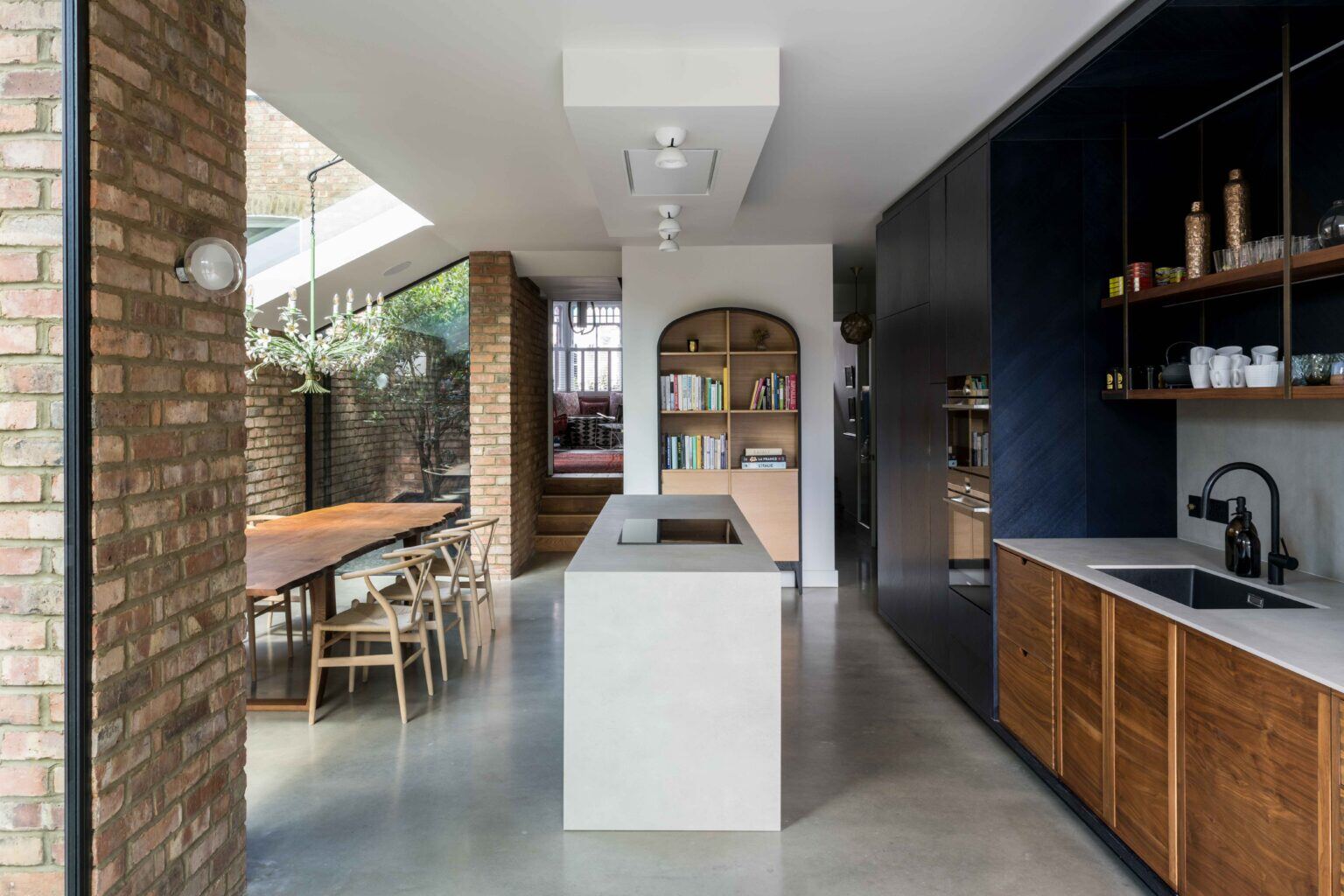
What an Architect Actually Does
It's worth being clear about this from the outset, because the role is broader than most people realise before they've been through a project.
An architect is responsible for translating what you want into something that can be built: a design that works spatially, performs technically, satisfies planning policy, meets building regulations, and stays within budget. That requires a combination of creative thinking, technical knowledge, and project management that takes years to develop.
At RISE we're also responsible for things clients often don't think about at the start: the relationship between your extension and the neighbouring properties, the way the building will perform thermally over its lifetime, the sequencing of contractors, the coordination between structural engineers and specialist consultants, the review of contractor valuations during construction. These aren't glamorous parts of the job, but they're where a significant amount of value is either created or lost.
The architect is also the person who navigates planning. For many clients this is the most daunting part of the process, and with good reason. Planning policy is local, nuanced, and inconsistent. Understanding how to present a scheme, what objections are likely, and how to frame a design argument that addresses real concerns rather than hoping they'll be ignored is a specific skill that comes from experience.
In short: an architect does considerably more than draw. The drawing is how the thinking gets communicated. The thinking is the job.
Getting Your Brief Right
Before you start approaching architects, it's worth spending some time thinking clearly about what you actually want. Not in technical terms, but in human ones.
How do you want the space to feel? What doesn't work about your home at the moment? How do you actually live day to day, and how might that change over the next ten years? These questions matter more than the number of bedrooms or the size of the extension, because the answers to them shape every design decision that follows.
A good brief doesn't need to be long or detailed. It needs to be honest. The clients we work with most successfully are the ones who are clear about their priorities and open about their constraints, including budget, because it allows us to design something that genuinely fits their life rather than something that looks good in photographs but doesn't work in practice.
Your brief will also evolve. That's not a problem; it's part of the process. The design journey tends to surface things you hadn't considered, and a good architect will help you understand the implications of different choices rather than just executing instructions. Leave room for that conversation.
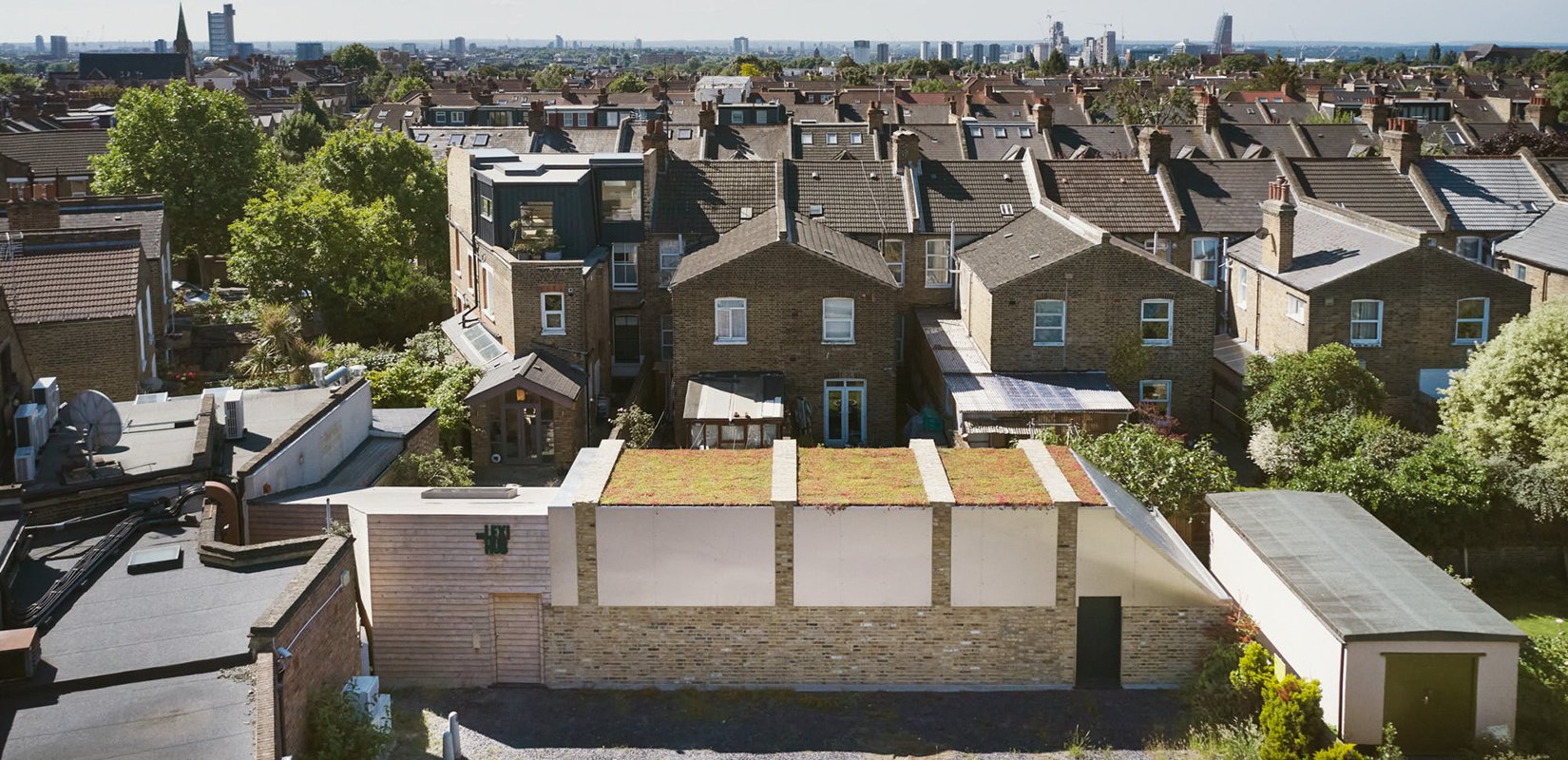
Finding the Right Practice
Personal recommendation remains the most reliable starting point. If someone you trust has had a good experience with an architect, that tells you something that no portfolio or website can. Ask them specifically: were they easy to communicate with? Did the project stay on budget? Did the architect stay involved through construction or disappear after planning?
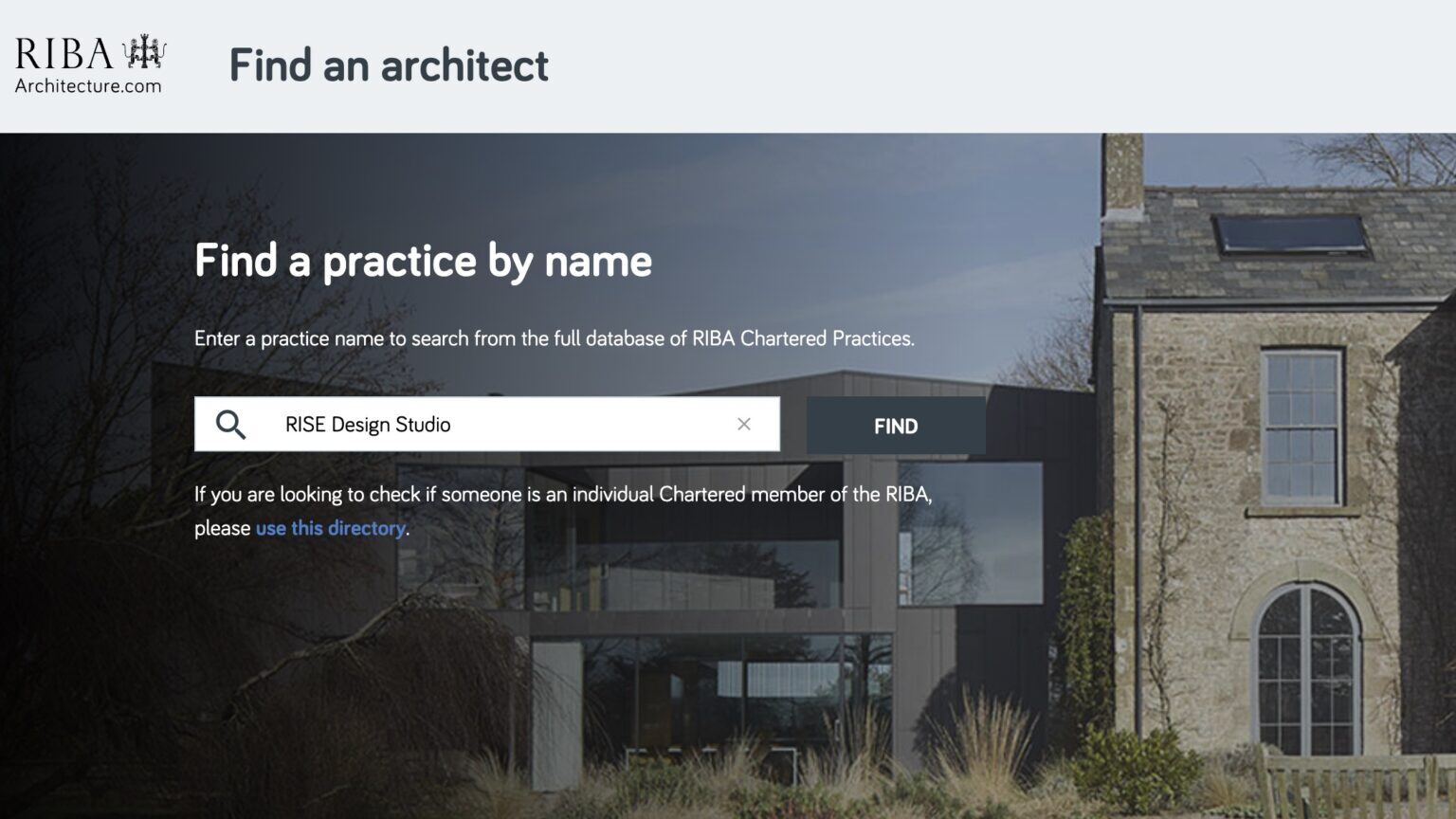
Beyond personal recommendation, the RIBA's online directory is a good place to find chartered practices. It's searchable by location and project type and gives you a baseline assurance of professional standards.
Social media and architecture websites can be useful for getting a sense of a practice's design sensibility, but they show you the best version of every project. Use them to identify who to approach, not to make a final decision.
When you're looking at practices, pay attention to scale. A large firm with an impressive commercial portfolio may not be the right choice for a residential extension. The people who pitched you the project may not be the people who work on it. At a smaller practice, the people you meet at the start tend to be the people doing the work throughout.
Looking at Past Work
A portfolio tells you what a practice has done. More useful is understanding how they did it and what the client thought of the result.
Look for projects that are similar to yours in type and scale, not just in visual style. Has the practice worked on Victorian terraces before? Do they have experience with the particular planning context you're in? Have they delivered projects at your budget level?
If you can, speak to a previous client. Ask them what the process was actually like, not just what the finished building looks like. Did the architect communicate well? Were there unexpected costs and if so, how were they handled? Would they use them again?
Look for how the work has aged. A building that photographs well on completion but looks tired after five years tells you something about the quality of the specification and the material choices. Good architecture tends to improve with age as materials weather and settle into the landscape around them.
The Question of Sustainability
If environmental performance matters to you, and increasingly it should, look for evidence of genuine expertise rather than general commitment.
Any practice can say it cares about sustainability. What you're looking for is specific: do they hold Passivhaus accreditation? Can they talk in detail about fabric-first design and what it means for your project? Do they model energy performance before construction, or treat it as a compliance exercise at the end?
At RISE, sustainability has been central to how we work from the beginning. Sean Hill holds Passivhaus Designer accreditation and has been working on low-energy residential projects across London for two decades. It's not something we've added to our offer in response to market demand. It's built into how we approach every project from the first conversation.
The reason this matters practically, beyond the environmental case, is that buildings designed with genuine sustainability expertise are cheaper to run, more comfortable to be in, and increasingly more valuable at resale. It's not a luxury add-on. It's a better building.
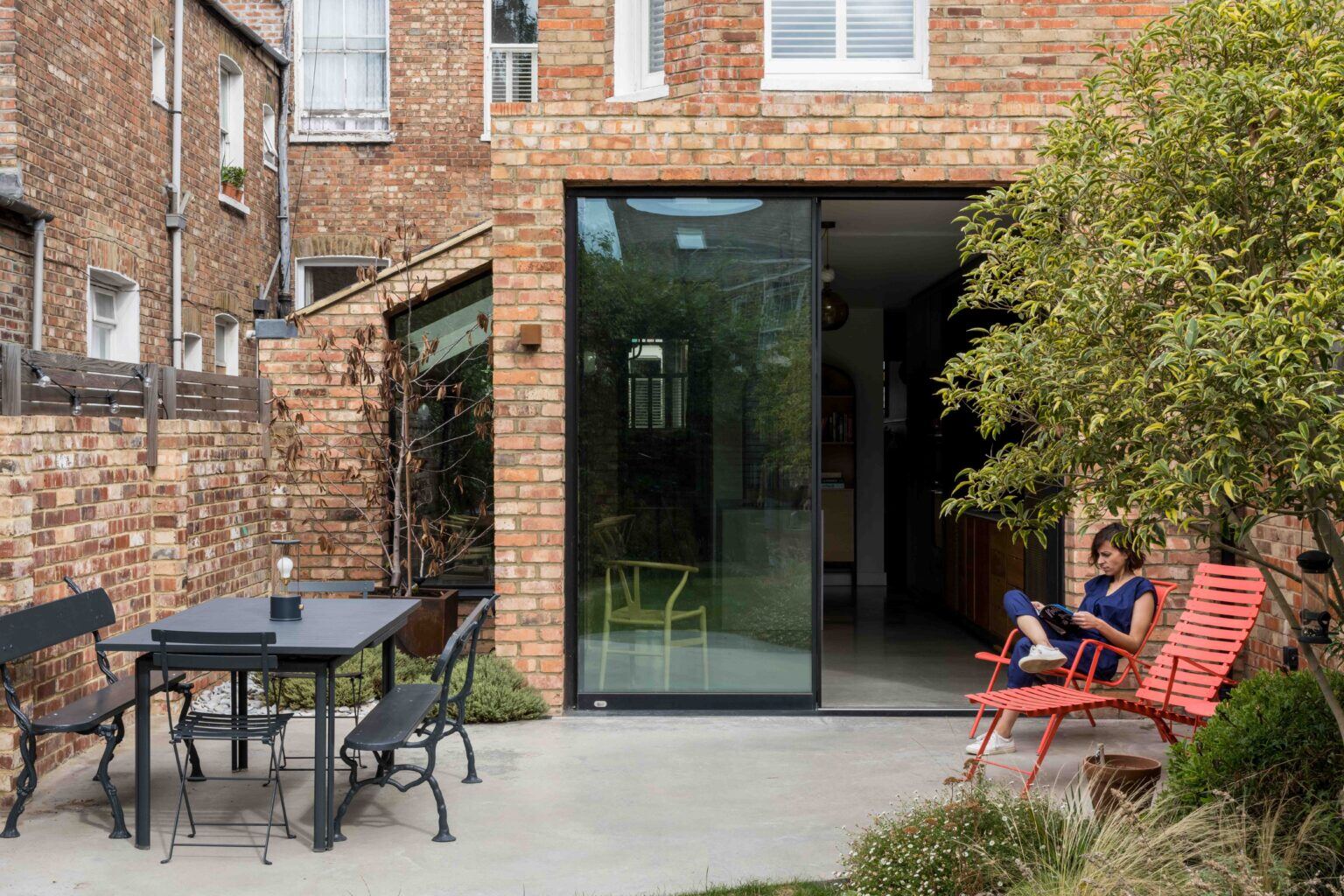
Communication and Working Style
The architect-client relationship runs for the length of a project, which on a substantial residential scheme can be two to three years from first meeting to practical completion. That's a long time to work closely with someone, and it's worth paying attention to how they communicate from the outset.
Do they listen? Do they explain things clearly without being condescending? Are they direct about problems or do they soften everything to the point where you can't tell what they actually think? Do they respond promptly?
These things matter at least as much as design ability, because even the most talented architect will frustrate you if the communication is poor. The best working relationships are ones where there's mutual respect and genuine directness on both sides.
Ask them how they like to work. How often will you meet? What does the review process look like? Who will you deal with day to day? How do they handle disagreements about design direction? The answers to these questions will tell you a lot about whether the working relationship is likely to be a good one
Budget
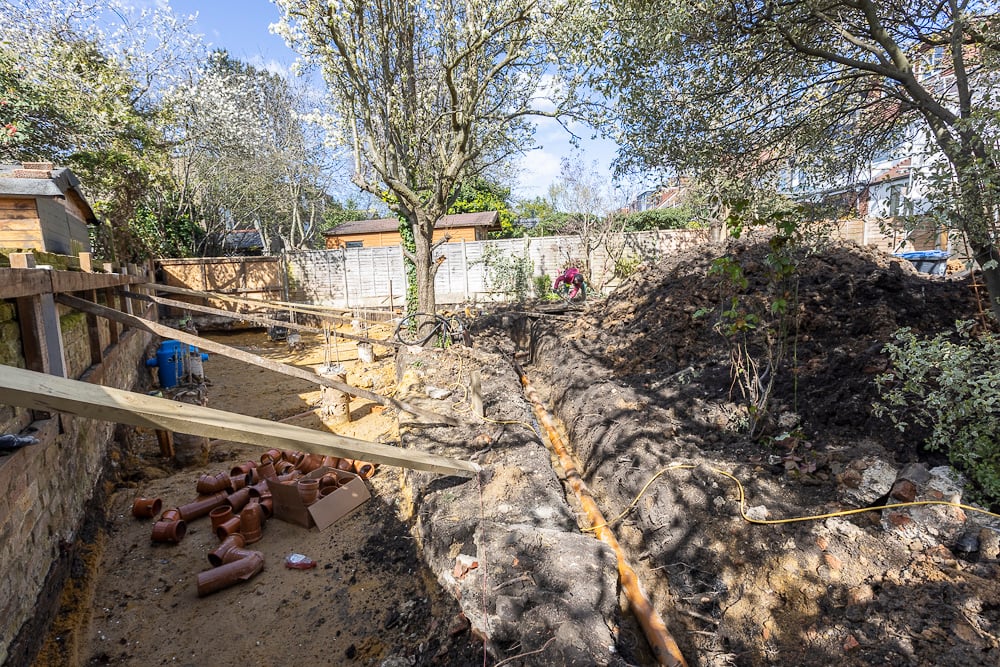
Be honest about your budget from the first conversation. Architects who don't ask about it early, or who are vague about costs, are ones to be cautious about.
A good architect will give you a realistic view of what your budget can achieve in the current market, and will tell you clearly if there's a mismatch between what you want and what you can afford. That conversation can be uncomfortable, but it's far better to have it at the outset than to discover the problem at tender stage after months of design work.
Budget conversations should also cover fees. Architectural fees vary considerably between practices, and the cheapest option is rarely the best value. A practice that charges more but maintains rigorous involvement through construction will typically save you more than the fee difference through better coordination, fewer errors, and more effective contract administration.
Ask specifically about what's included in the fee and at what stages additional costs might arise. Transparency at this point is a good indicator of how the practice will handle financial conversations throughout the project.
The Design Process
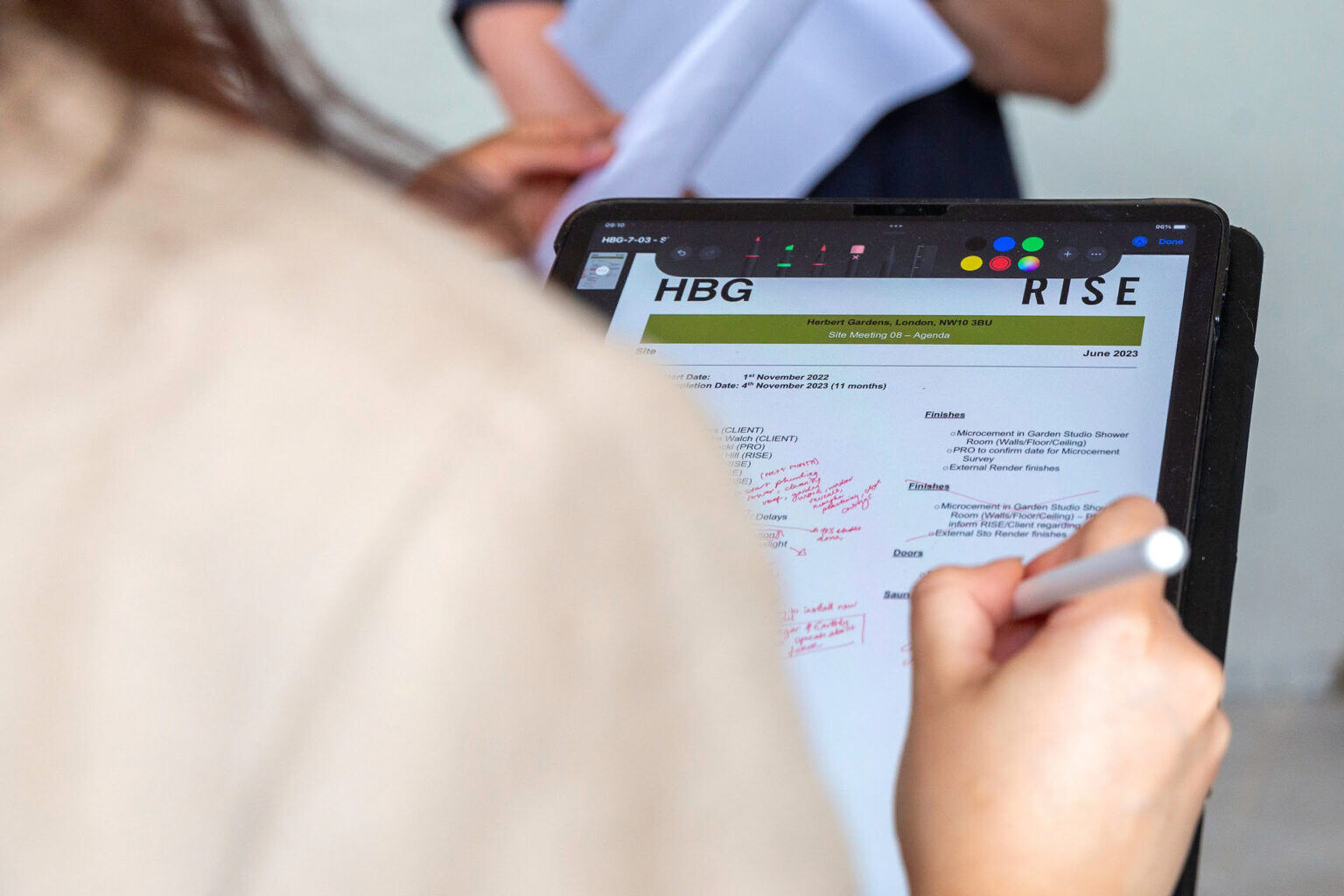
Once you've appointed an architect, the design process moves through a series of stages, from initial concepts through to technical drawings, planning applications, building regulations, and construction. Understanding roughly how this works will help you engage with it productively.
The early stages, concept and developed design, are when your input is most valuable and when changes are cheapest to make. Once a design reaches technical stage and the detailed drawings are underway, changes become progressively more expensive. Not because architects make them difficult, but because the work is interconnected: changing a structural element at technical stage can require revisions across dozens of drawings.
That's not a reason to be passive in the early stages. Quite the opposite. Be as engaged and as honest as you can about what you like and don't like, what works and what doesn't, because that's when those conversations have the most impact.
Making the Decision
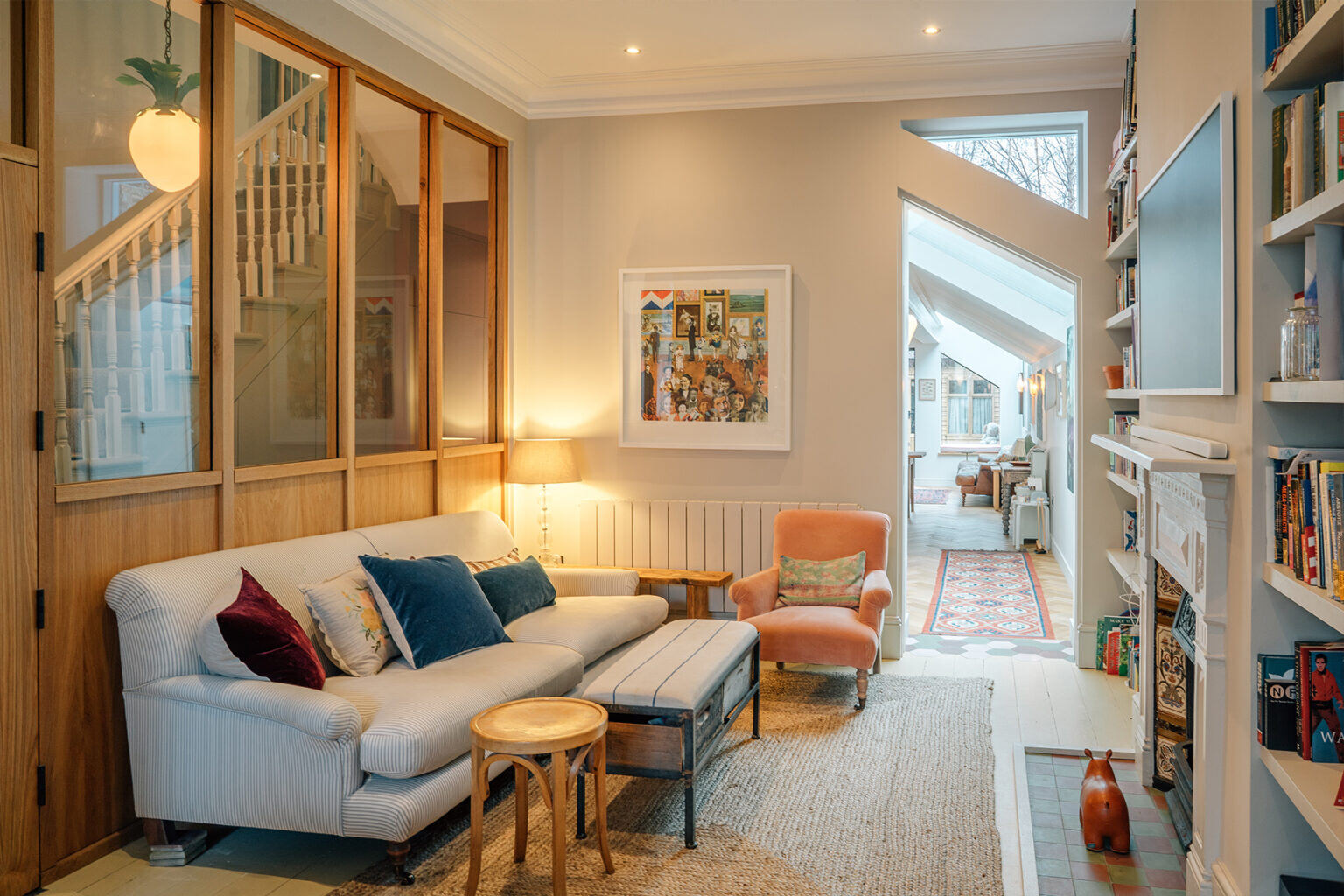
When you've met with a shortlist of architects, the decision usually comes down to a combination of confidence in their technical ability, alignment on design sensibility, and a sense that the working relationship will be a productive one.
Trust your instincts on the last of those. The best projects we've been involved in have been with clients where there was genuine mutual respect and directness from the start. The relationship works best when both sides are honest about what they want, clear about what they're worried about, and willing to have difficult conversations when they're necessary.
The right architect for your project is the one who makes you feel that your project is in safe hands, not because they're telling you everything will be fine, but because they clearly understand what's involved and have a credible plan for navigating it.
If you'd like to talk through your project, we're glad to hear from you.
→ Email us at architects@risedesignstudio.co.uk
→ Or call the studio on 020 3947 5886
RISE Design Studio, Architects, Interior Designers + Sustainability Experts
☉ Architecture for people and planet
☉ Trading since 2011
☉ Company reg no: 08129708
☉ VAT no: GB158316403