
Share this
Engineering the Future: Low-Carbon Innovations in Structural Design – A Conversation with Jensen Hunt
by Sean Ronnie Hill on Feb 3, 2025
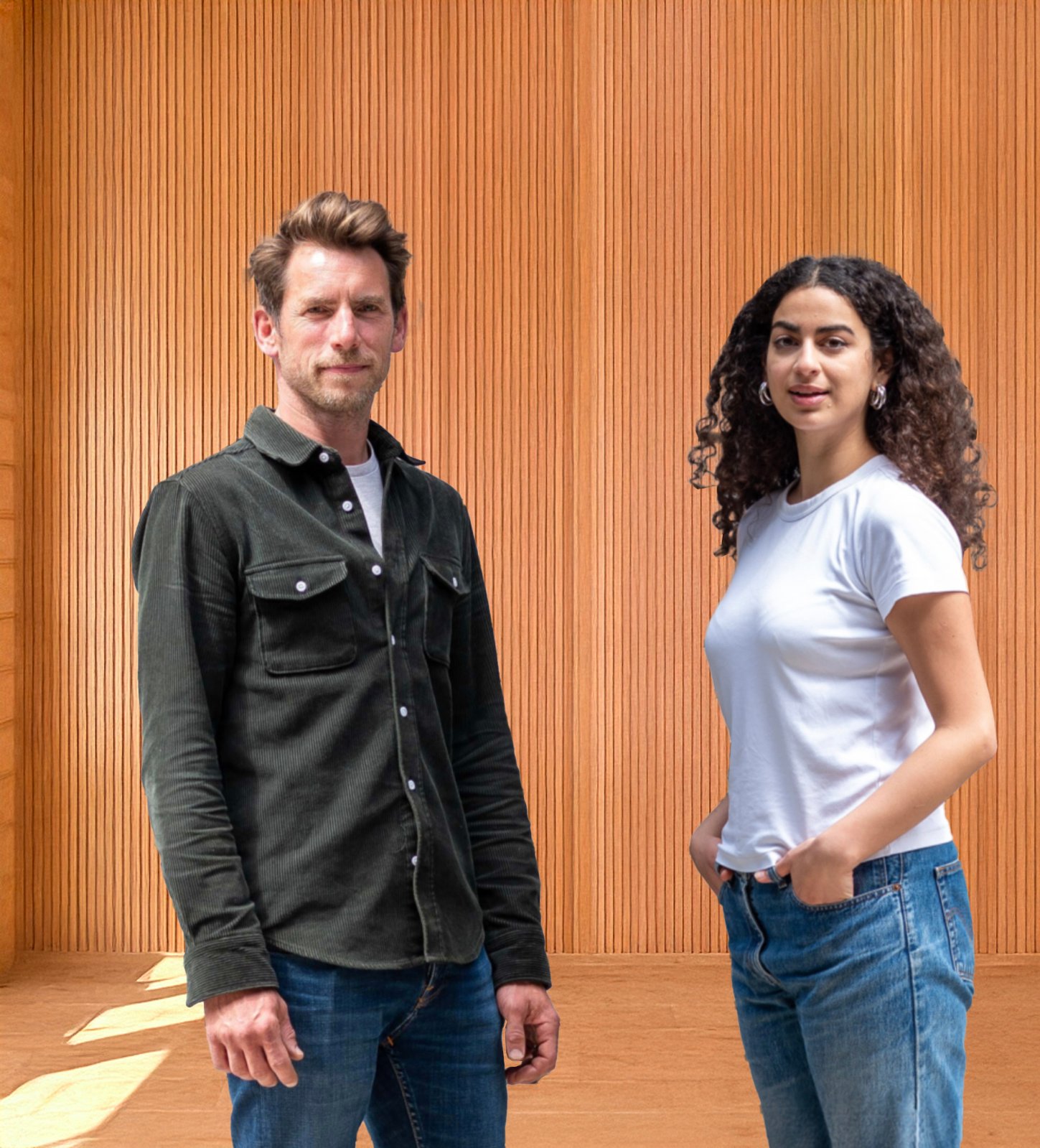
Interview with James Mickelburgh and Arij Mroue of Jensen Hunt
Interviewer: Sean Ronnie Hill, Director of RISE Design Studio
Sean Ronnie Hill: James, Arij - thank you both for joining me. Structural engineering is undergoing a significant transformation, especially with the growing emphasis on sustainability. As an architect, I’ve seen first-hand how structural choices impact the feasibility and carbon footprint of a project. How are you seeing this shift impact your work at Jensen Hunt?
James Mickelburgh: Thanks, Sean. Yes, there has been a major shift in the industry towards low-embodied carbon solutions. Clients and architects are far more aware of the impact that structural choices have on a building’s carbon footprint. As structural engineers, we’re increasingly exploring alternatives to conventional high-carbon materials, integrating more timber, low-carbon concrete, and innovative steel solutions into our designs.
Arij Mroue: Absolutely. In the past, structural integrity and cost were the primary drivers of material selection, but now sustainability is just as critical. There’s a strong push - not only from designers but clients and stakeholders also - to reduce embodied carbon without compromising on performance or buildability. For instance, we are seeing greater use of hybrid structures that balance strength and sustainability by combining timber with recycled steel or low-carbon concrete. However, I would argue that sustainable structural design should also begin with doing the basics really well. It’s not always about using these new-age materials, instead, it’s about using conventional materials with a more conscientious approach.
Sean: That aligns with what we’re experiencing at RISE Design Studio. More than ever, clients are looking for holistic sustainability strategies that go beyond operational efficiency and address the embodied carbon of the building itself. What specific materials and construction techniques are proving most effective in reducing embodied carbon in structures?
James: Timber, particularly cross-laminated timber (CLT), has been a game-changer for us. It’s renewable, sequesters carbon, and can significantly reduce the overall carbon footprint of a building. But we’re also looking at innovations in concrete, such as ground granulated blast-furnace slag (GGBS) and alkali-activated cementitious materials (AACMs), which can lower the embodied carbon of concrete by up to 50% compared to traditional Portland cement mixes.
Arij: Another area of focus is optimising structural efficiency which, again, goes back to what I said about doing the basics really well. Structural efficiency is an inherent part of good structural design. However, structural engineers can take this further by using advanced digital modelling and parametric design tools, which allow us to refine structures to optimise our material usage. This ‘lean’ approach reduces waste and the overall carbon expenditure. Evaluating construction processes is also an integral aspect of sustainable structural design. For example, modular and prefabricated elements can help lower emissions associated with transportation and on-site construction waste.
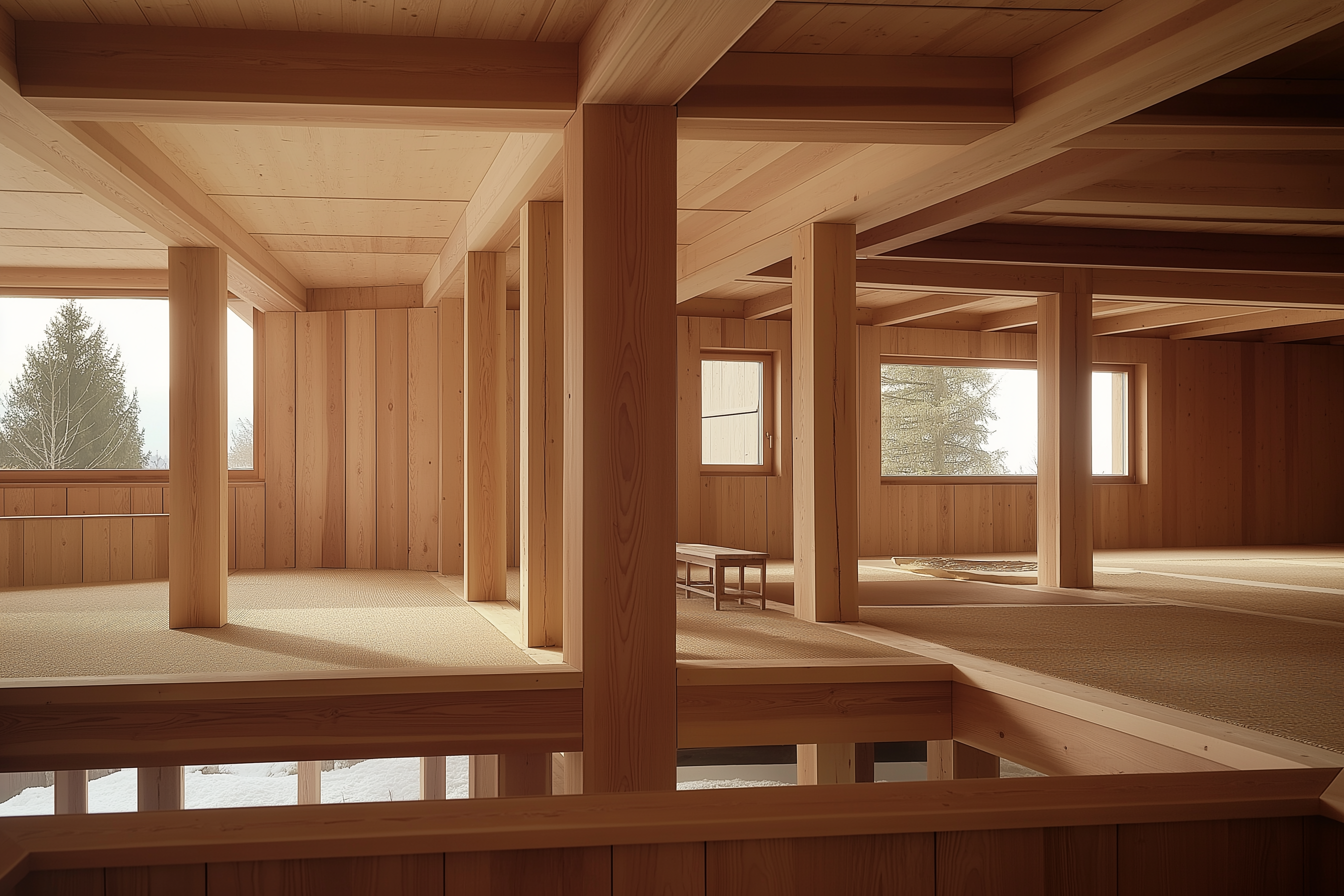
Cross-laminated timber (CLT) structure – a renewable material that sequesters carbon and helps significantly reduce a building's overall carbon footprint.
Sean: The concept of adaptive reuse and retrofit is gaining traction in architecture. At RISE, we actively encourage clients to explore retrofit solutions where feasible, rather than defaulting to demolition and new build. How does structural engineering contribute to making existing buildings more sustainable?
James: Retrofitting existing buildings is one of the most effective ways to cut carbon emissions. The structural challenge often lies in evaluating and reinforcing old materials so they can support new uses. Our role is to assess load-bearing capacities and identify solutions that strengthen the structure without excessive material use. In some cases, we employ carbon fibre reinforcement or steel augmentation to extend the life of an existing structure.
Arij: Exactly. One of our recent projects involved repurposing an old industrial building into a modern office space. Rather than demolishing and rebuilding, we worked on reinforcing the existing frame, integrating lightweight timber elements, and strategically placing structural supports to avoid excessive steel use. These interventions significantly reduced the embodied carbon of the project compared to a full rebuild.
Sean: That’s something I’d love to explore more with you both. The construction industry’s shift towards net-zero goals is driving regulatory and industry changes. What trends are shaping the future of structural engineering?
James: The industry is adapting to stricter regulations and sustainability targets, such as the UK’s net-zero commitments. The shift towards Environmental Product Declarations (EPDs) is helping clients make more informed material choices. Additionally, regulations like Part Z, which aims to mandate embodied carbon assessments in building design, could soon become a legal requirement, pushing everyone towards greener solutions.
Arij: Beyond regulations, there’s an evolving mindset in the industry. Developers and clients are increasingly prioritising sustainability in procurement decisions. Structural engineers are now expected to have in-depth carbon knowledge, using life cycle assessments (LCAs) to quantify the environmental impact of our designs. It’s no longer just about compliance; it’s about innovation, responsibility and a cultural shift.
Sean: I completely agree. At RISE, we’re seeing growing interest from clients in material passports and circular economy principles, ensuring that materials can be repurposed at the end of a building’s life cycle. Given these challenges and innovations, how do you see structural engineering evolving over the next decade?
James: I think we’ll see a greater reliance on AI - driven design optimisation and digital twin technology. These tools allow us to model structures in unprecedented detail, reducing over-design and unnecessary material use. Additionally, new material technologies, like bio-based composites and carbon-negative concrete, will become more mainstream.
Arij: Collaboration will also be key. The lines between disciplines - architecture, engineering, and sustainability consulting - are blurring as we work together to create truly holistic, low-carbon buildings. Structural engineers will need to be at the forefront of material science and computational design to drive the next wave of sustainable construction.
Sean: This has been a fascinating discussion. James, Arij, thank you both for sharing your insights on the future of low-carbon structural engineering.
James: Thank you, Sean.
Arij: It’s been a pleasure. Looking forward to seeing how these innovations take shape in our projects together.
Shaping a Low-Carbon Future, Together
At RISE Design Studio, we believe that the future of architecture lies in collaboration and innovation. Engineering and design go hand in hand to create structures that are efficient and sustainable and inspire a better way of living.
Every project is an opportunity to push boundaries, rethink possibilities, and reduce our environmental impact. Let’s work together to create low-carbon, high-performance spaces that stand the test of time.
Ready to build something future-proof?
If you would like to talk through your project with the team, please do get in touch at architects@risedesignstudio.co.uk or give us a call on 020 3947 5886
RISE Design Studio Architects company reg no: 08129708 VAT no: GB158316403 © RISE Design Studio. Trading since 2011.

Share this
- Sustainable architecture (165)
- Architecture (150)
- Passivhaus (73)
- Sustainable Design (68)
- Design (67)
- Retrofit (60)
- London (52)
- New build (52)
- Renovation (44)
- energy (39)
- interior design (37)
- Building materials (35)
- Planning (34)
- Environment (31)
- climate-change (30)
- enerphit (29)
- Inspirational architects (27)
- Refurbishment (27)
- extensions (27)
- low energy home (23)
- Building elements (22)
- Inspiration (21)
- London Architecture (20)
- Rise Projects (16)
- Extension (15)
- Innovative Architecture (14)
- Sustainable Architect (14)
- net zero (14)
- Carbon Zero Homes (13)
- Planning permission (13)
- General (12)
- Philosophy (12)
- sustainable materials (12)
- RIBA (11)
- Working with an architect (11)
- Awards (9)
- Residential architecture (9)
- Sustainable (9)
- Sustainable Tennis Pavilion (9)
- architects (9)
- Tennis Pavilion (8)
- architect (8)
- low carbon (8)
- Timber Structures (7)
- Virtual Reality (7)
- Airtightness (6)
- BIM (6)
- Backland Development (6)
- Biophilic Design (6)
- Community Architecture (6)
- Eenergy efficiency (6)
- Overheating (6)
- Passive house (6)
- Sports Architecture (6)
- Uncategorized (6)
- BIMx (5)
- Basement Extensions (5)
- Carbon Positive Buildings (5)
- Costs (5)
- Low Energy Architecture (5)
- Notting Hill Architects (5)
- RISE Sketchbook Chronicles (5)
- Sustainable Natural Materials (5)
- cinema design (5)
- construction (5)
- insulation (5)
- local materials (5)
- modular architecture (5)
- natural materials (5)
- sustainable building (5)
- AECB (4)
- ARB (4)
- Feasibility Study (4)
- Home extensions (4)
- House cost (4)
- Mass Timber (4)
- Padel Court (4)
- Padel court design (4)
- Paragraph 84 (4)
- Sustainable Architecture London (4)
- concrete (4)
- constructioncosts (4)
- mvhr (4)
- structural (4)
- structuralengineer (4)
- working from home (4)
- Artificial Intelligence (AI) (3)
- Brutalist Architecture (3)
- Building in the Green Belt (3)
- Chartered architect (3)
- Clay Plaster (3)
- Construction Costs (3)
- Embodied Carbon (3)
- Fees (3)
- Heat Pumps (3)
- Home improvement (3)
- Kensal Rise (3)
- Low Energy Homes (3)
- Low-Energy Design (3)
- New Build House (3)
- North London Architects (3)
- Paragraph 79 (3)
- Paragraph 80 (3)
- Permitted development (3)
- Property (3)
- Queen's Park Sustainable Architect (3)
- Social housing (3)
- Spain (3)
- Sustainable Architect London (3)
- Sustainable Extensions (3)
- Sustainable Interiors (3)
- Sustainable Padel Court (3)
- Timber Construction (3)
- West London Architect (3)
- backland (3)
- building regulations (3)
- circular economy (3)
- country house (3)
- countryside (3)
- furniture (3)
- house extension (3)
- listed buildings (3)
- plywood (3)
- rammed earth (3)
- rear extension (3)
- self build (3)
- stoke newington (3)
- sustainability (3)
- sustainable structure (3)
- victorian terrace (3)
- zero waste (3)
- 3D models (2)
- AECB CarbonLite (2)
- Architects in Spain (2)
- BREEAM (2)
- Bespoke lighting (2)
- Bricks (2)
- Building energy (2)
- CLT (2)
- Chartered Practice (2)
- Commercial Architecture (2)
- Contractor (2)
- Covid-19 (2)
- Designing with Stone (2)
- Ecohouse (2)
- EnerPHit London (2)
- Furniture design (2)
- Garden studio (2)
- Hackney (2)
- Hampstead Architects (2)
- Heritage (2)
- Japanese Archiecture (2)
- Loft conversion (2)
- London Architect (2)
- Low Carbon Future (2)
- Mews House Retrofit (2)
- Modern Methods of Construction (2)
- Paragraph 84 home (2)
- Passivhaus London (2)
- Pavilion Architecture (2)
- Period Homes (2)
- Permitted development rights (2)
- Recycling (2)
- Regenerative Architecture (2)
- Residential Architects London (2)
- Roof extension (2)
- Rural New Build (2)
- Social Distancing (2)
- Store Design (2)
- Sustainable Affordable Homes (2)
- Sustainable Architect Fees (2)
- Sutton Churches Tennis Club (2)
- Tennis Club Architecture (2)
- Welbeing (2)
- Whole Life Carbon (2)
- Winter Performance (2)
- ashp (2)
- barcelona (2)
- building information modelling (2)
- circular rooflight (2)
- co-working (2)
- countryside architecture (2)
- design&build (2)
- epc (2)
- glazed-extensions (2)
- green architecture (2)
- greenbelt (2)
- hampstead (2)
- health and wellbeing (2)
- historic architecture (2)
- home extension (2)
- interiorfinishes (2)
- light (2)
- living space (2)
- london landmarks (2)
- londoncinemas (2)
- low-carbon design (2)
- openingupworks (2)
- peter zumthor (2)
- project management (2)
- renewable energy (2)
- rural architecture UK (2)
- traditional (2)
- trialpits (2)
- waste (2)
- wooden furniture (2)
- #NLANetZero (1)
- 3D Printing (1)
- 3D Walkthroughs (1)
- AI and Architecture (1)
- Adam Weismann (1)
- Adaptive reuse (1)
- Adobe (1)
- Agriculture and Architecture (1)
- Alvar (1)
- Appointing an Architect (1)
- Architect Barcelona (1)
- Architects Fees UK (1)
- Architectural Research (1)
- Architecture Interior Design (1)
- Architecture London (1)
- Architecture and nature (1)
- Architraves (1)
- Area (1)
- Art (1)
- Art and Architecture (1)
- Atmospheric Design (1)
- Audio Visual (1)
- Balconies (1)
- Biodiversity (1)
- Biomimicry (1)
- Biophilic Architecture (1)
- Birmingham Selfridges (1)
- Boat building (1)
- Boats (1)
- Brass (1)
- Brent Planning (1)
- Brexit (1)
- Brownfield Development (1)
- Building Insulation (1)
- Building performance (1)
- Buildings Insurance (1)
- CLT and glulam (1)
- Café Design (1)
- Calm Interiors (1)
- Cantilevered Roof (1)
- Carpentry (1)
- Casting (1)
- Chailey Brick (1)
- Claymoon Studio (1)
- Cold Water Swimming (1)
- Community pavilion (1)
- Concrete Architecture (1)
- Conservation Area Architects (1)
- Contemporary Architecture (1)
- Contemporary Architecture Hampstead (1)
- Copper (1)
- Cornices (1)
- Corten (1)
- Cowboy Builders (1)
- Crouch End (1)
- Czech Republic, (1)
- Data Centers (1)
- David Hockney (1)
- David Lea (1)
- Digital Twin (1)
- Domus Nova (1)
- Dormer extension (1)
- EPC Rating (1)
- Elmwood Lawn Tennis Club (1)
- Employer's Liability (1)
- EnerPHit Retrofit (1)
- Energy Performance (1)
- EnvironmentalArchitecture (1)
- Fabric First (1)
- Fabric First Design (1)
- Flooding (1)
- Future of Housing (1)
- Gandhi memorial museum (1)
- Georgian Extension (1)
- Green Mortgage (1)
- Green Register (1)
- Green infrastructure (1)
- GreenDesign (1)
- Herbert Paradise (1)
- Heritage Retrofit (1)
- History (1)
- Home Renovation (1)
- Home Retrofit (1)
- Homeowner Guide (1)
- House Extension Architect (1)
- Hyde Park (1)
- India (1)
- Insurance (1)
- Interior Architecture London (1)
- Interior Finishes (1)
- Jan Kaplický (1)
- Japandi (1)
- Joinery (1)
- Kensal Rise Architects (1)
- Kitchen Design (1)
- L-shaped dormer (1)
- Land value (1)
- Leonardo Da Vinci (1)
- Lime render (1)
- Listed Building Architects (1)
- London Architects (1)
- Lord's Media Centre (1)
- Low Carbon Home (1)
- Low-Carbon Architecture (1)
- Low-Energy Buildings (1)
- Mapping (1)
- Marseilles (1)
- Mary Portas (1)
- Material Culture (1)
- Matiz Gallery (1)
- Metal (1)
- Micro Generation (1)
- Mid Century Retrofit (1)
- Modern House Extension (1)
- Monuments (1)
- Mouldings (1)
- Museum Architecture (1)
- Mycelium Architecture (1)
- NPPF (1)
- Natural Light Architecture (1)
- Nature (1)
- Nature-Led Design (1)
- Net Zero Architecture (1)
- New Build Architects (1)
- North London (1)
- North West London (1)
- Office to Homes (1)
- Office to Hotel Conversion (1)
- Offsite manufacturing (1)
- Open water swimming (1)
- Origami (1)
- Party Wall Surveyor (1)
- Passivhaus Architects London (1)
- Passivhaus Design (1)
- PeopleFirstDesign (1)
- Place (1)
- Podcast (1)
- Porch (1)
- Prefab (1)
- Pro bono (1)
- Procurement (1)
- Professional Indemnity (1)
- Public Housing (1)
- Queen's Park (1)
- RBKC architects (1)
- RISE Insight (1)
- RISE Team (1)
- Rebuild (1)
- Reclaimed Brick Architecture (1)
- Regent's Park (1)
- Renovation Advice (1)
- Replacement Dwelling (1)
- ResilientFuture (1)
- Richard Rogers (1)
- Sand (1)
- Scallop House (1)
- Scandinavian architecture (1)
- Selfbuild (1)
- Serpentine Lake (1)
- Skirting (1)
- Slow Architecture (1)
- Small Sites Development (1)
- Solar Shading (1)
- Sports Pavilion Design (1)
- Steel (1)
- Stone Architecture (1)
- Surveying (1)
- Sustainable Basement Extension (1)
- Sustainable Building Systems (1)
- Sustainable Housing (1)
- Sustainable Lighting (1)
- Sustainable Mews House (1)
- Sustainable Retail Store (1)
- Sustainable Retrofit (1)
- Sverre fehn (1)
- Thermal comfort (1)
- UFH (1)
- Unfired Clay (1)
- VR (1)
- Vernacular Construction (1)
- Victorian Extension (1)
- Walkable Cities (1)
- Wellbeing and design (1)
- West london (1)
- Wildlife (1)
- Winston Road N16 (1)
- Wood (1)
- accessible design (1)
- architect Kensington Chelsea (1)
- architect fees (1)
- architectural details (1)
- arne jacobsen (1)
- avant garde (1)
- basements (1)
- biophilic design London (1)
- brentdesignawards (1)
- building design (1)
- built environment (1)
- carbon sink (1)
- carbonpositive (1)
- cement (1)
- charles correa (1)
- charles eames (1)
- charlie warde (1)
- charteredarchitect (1)
- climate (1)
- climate action (1)
- codes of practice (1)
- collaboration (1)
- contract works insurance (1)
- covid (1)
- curved architecture (1)
- daylighting (1)
- dezeenawards (1)
- drone (1)
- eco home design (1)
- eco-living (1)
- emissions (1)
- finnish architecture (1)
- foundations (1)
- futuristic (1)
- georgian architecture (1)
- glazed envelope (1)
- good working relationships (1)
- green building (1)
- happiness (1)
- homesurveys (1)
- imperfection (1)
- independentcinemas (1)
- innovation (1)
- inspirational (1)
- internal windows (1)
- jean prouve (1)
- kindness economy (1)
- kintsugi (1)
- kitchen extension Notting Hill (1)
- landscape architecture (1)
- lime (1)
- local (1)
- lockdown (1)
- mansard (1)
- manufacturing (1)
- materiality (1)
- modern architecture (1)
- moderninst (1)
- modernism (1)
- modular architect London (1)
- moulded furniture (1)
- natural (1)
- natural cooling (1)
- natural light (1)
- natural materials architecture (1)
- new build architect Sussex (1)
- nordic pavilion (1)
- northern ireland (1)
- palazzo (1)
- placemaking (1)
- planningpermission (1)
- plywood kitchen (1)
- post-Covid (1)
- poverty (1)
- powerhouse (1)
- preapp (1)
- preapplication (1)
- property owners liability (1)
- ray eames (1)
- reclaimed bricks (1)
- recycle (1)
- reuse (1)
- ricardo bofill (1)
- risedesignstudio (1)
- rooflights (1)
- room reconfiguration (1)
- rural (1)
- satellite imagery (1)
- selfbuildhouse (1)
- shared spaces (1)
- site-progress (1)
- solarpvs (1)
- space (1)
- stone (1)
- structuralsurvey (1)
- sun tunnel (1)
- sustainable home design (1)
- tennis clubhouse design (1)
- terraces (1)
- thegreenregister (1)
- timber architecture (1)
- totality (1)
- wabi-sabi (1)
- June 2026 (2)
- May 2026 (5)
- April 2026 (2)
- March 2026 (8)
- February 2026 (7)
- January 2026 (4)
- December 2025 (10)
- November 2025 (14)
- October 2025 (9)
- September 2025 (10)
- August 2025 (13)
- July 2025 (23)
- June 2025 (10)
- May 2025 (22)
- April 2025 (16)
- March 2025 (8)
- February 2025 (12)
- January 2025 (6)
- December 2024 (6)
- November 2024 (8)
- October 2024 (5)
- September 2024 (3)
- August 2024 (2)
- July 2024 (2)
- June 2024 (2)
- May 2024 (1)
- April 2024 (1)
- March 2024 (1)
- February 2024 (1)
- January 2024 (3)
- November 2023 (1)
- October 2023 (5)
- September 2023 (7)
- August 2023 (7)
- July 2023 (6)
- June 2023 (8)
- May 2023 (14)
- April 2023 (11)
- March 2023 (8)
- February 2023 (6)
- January 2023 (5)
- December 2022 (3)
- November 2022 (3)
- October 2022 (3)
- September 2022 (3)
- July 2022 (2)
- June 2022 (1)
- May 2022 (1)
- April 2022 (1)
- March 2022 (1)
- February 2022 (2)
- January 2022 (1)
- November 2021 (1)
- October 2021 (2)
- July 2021 (1)
- June 2021 (1)
- May 2021 (1)
- April 2021 (1)
- March 2021 (1)
- February 2021 (1)
- January 2021 (2)
- December 2020 (1)
- November 2020 (1)
- October 2020 (1)
- September 2020 (2)
- August 2020 (1)
- June 2020 (3)
- April 2020 (3)
- March 2020 (2)
- February 2020 (3)
- January 2020 (1)
- December 2019 (1)
- November 2019 (2)
- September 2019 (1)
- June 2019 (1)
- April 2019 (2)
- January 2019 (2)
- October 2018 (1)
- September 2018 (1)
- August 2018 (2)
- July 2018 (1)
- March 2018 (1)
- February 2018 (2)
- December 2017 (1)
- September 2017 (1)
- May 2017 (1)
- January 2017 (1)
- December 2016 (1)
- November 2016 (1)
- September 2016 (1)
- August 2016 (2)
- June 2016 (2)
- May 2016 (1)
- April 2016 (1)
- December 2015 (1)
- October 2015 (1)
- September 2015 (1)
- August 2015 (1)
- June 2015 (1)
- January 2015 (1)
- September 2014 (2)
- August 2014 (1)
- July 2014 (4)
- June 2014 (9)
- May 2014 (2)
- April 2014 (1)
- March 2014 (1)
- February 2014 (1)
- December 2013 (1)
- November 2013 (5)
- October 2013 (5)
- September 2013 (5)
- August 2013 (5)
- July 2013 (5)
- June 2013 (2)
- May 2013 (2)
- April 2013 (4)
- March 2013 (5)
- February 2013 (2)
- January 2013 (3)